Forget ‘Scandal’: The White House Website Just Became Your Favorite Political Drama
Blog | October 29th, 2025
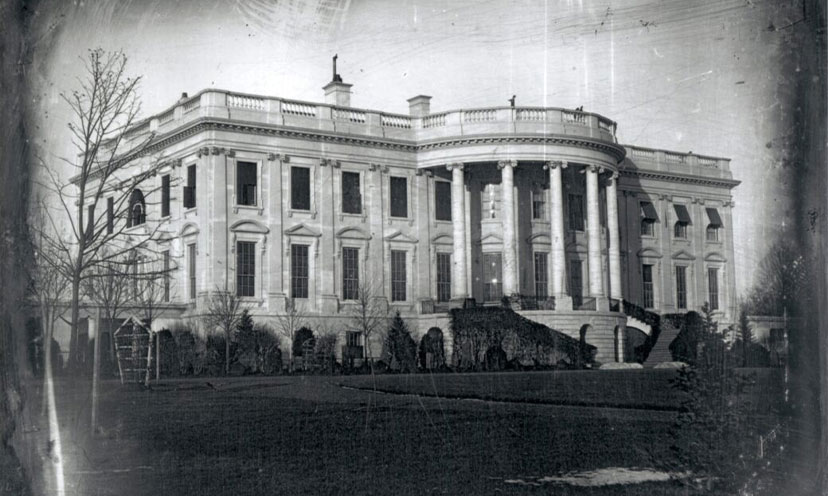
Remember when updating a website meant changing a font or tweaking the color scheme? Well, the White House just gave us all a masterclass in how to make a simple web update go viral. Grab some popcorn, because this digital tea is piping hot. ☕
Every new administration tinkers with WhiteHouse.gov (it’s tradition at this point), but the latest updates have people doing double-takes. The Trump administration made some edits to a “Major Events Timeline” in the website’s history section, and let’s just say not all the entries are about architecture.
The Timeline Gets Some Unexpected Additions 😳
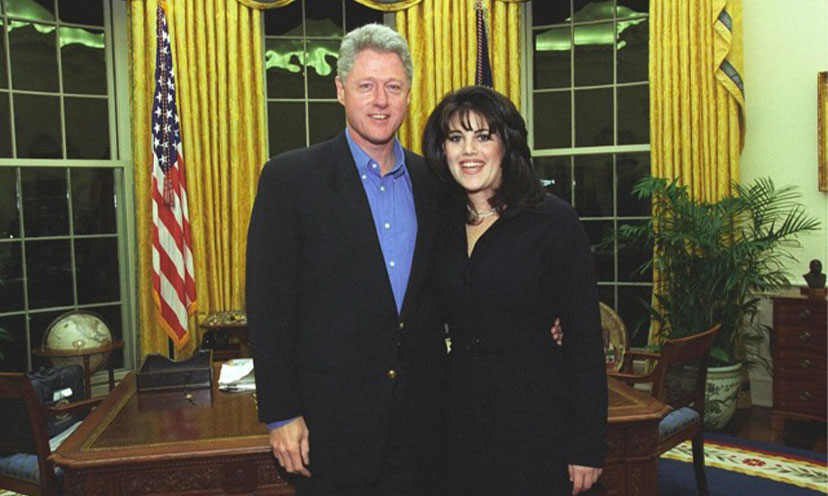
Scandals Make the Cut
The timeline now includes a 1998 entry titled “Bill Clinton Scandal” describing President Clinton’s affair with intern Monica Lewinsky and the subsequent impeachment proceedings.
A 2023 entry called “Cocaine Discovered” details when a Secret Service agent found a bag of cocaine in the West Wing entrance lobby. The entry speculates about Hunter Biden’s involvement, though it’s worth noting no official evidence has confirmed this claim.
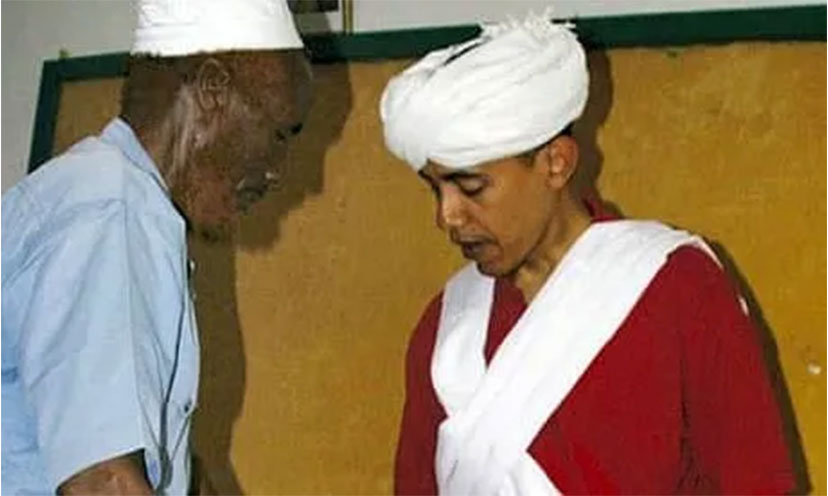
Political Moments Highlighted
The timeline also features a 2012 entry about President Obama hosting members of the Muslim Brotherhood, described as having ties to extremist organizations. Another entry covers the Biden/Harris administration’s “Transgender Day of Visibility” falling on Easter Sunday in 2024.
These aren’t exactly your typical White House history highlights but they’re in there – sandwiched between architectural milestones like the 1909 Oval Office construction and Truman’s reconstruction in the 1950s.
Where to Find It
Want to see this for yourself? Head over to the official About the White House page and scroll allllll the way to the bottom. Yes, you’ll have to scroll past centuries of history first to reach the controversial entries which start with the Clinton-Lewinsky entry.
Renovation Nation – The Design Upgrades 🏛️
The timeline isn’t just about scandals. It also showcases recent physical changes to the building, and honey, there are a lot of them.
In August 2025, President Trump paved over the iconic Rose Garden and turned it into a limestone patio, replacing the lawn Jackie Kennedy once carefully designed. The $2 million renovation was privately funded and features tiles inspired by Mar-a-Lago.
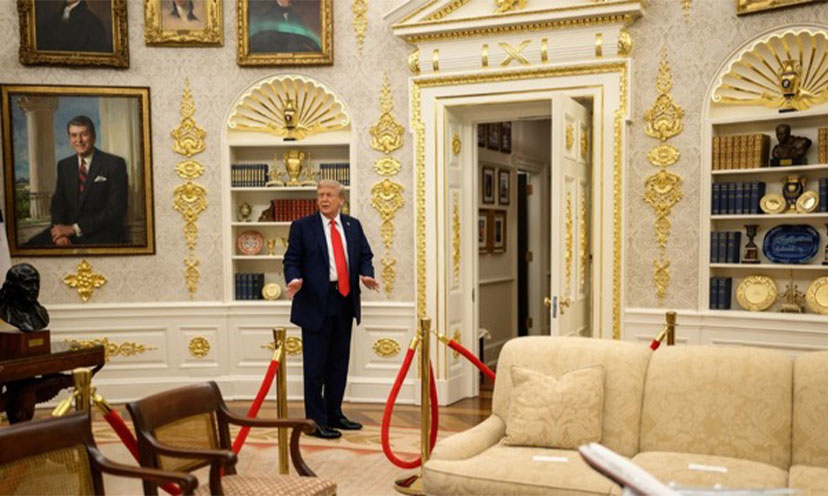
The Oval Office got the full gold treatment too, with gilded frames and ornate details throughout. Think less “seat of democracy” and more “luxury resort executive suite.”
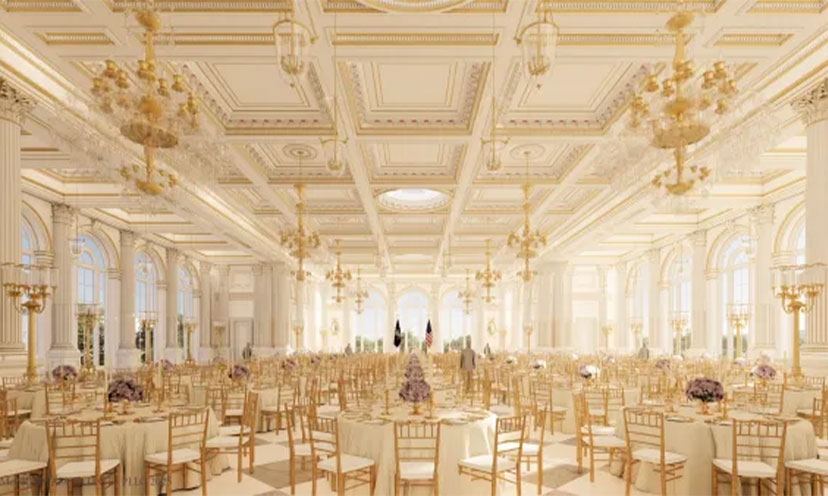
But the crown jewel? A planned 90,000-square-foot ballroom in the East Wing with capacity for 1,000 guests, priced at around $250-300 million. The administration emphasizes repeatedly that these projects are privately funded by donors and corporations, including Trump himself.
There are also two new 88-foot flagpoles on the North and South Lawns, plus Melania Trump’s 2020 tennis pavilion with its copper roof and limestone cladding. The White House is getting a serious makeover, and whether you love it or hate it, you can’t say it’s subtle.
Why Presidential Websites Are Never Just Websites
Here’s the thing about WhiteHouse.gov: it’s not just a website. It’s a digital declaration of priorities, a curated scrapbook of what each administration wants you to remember about their time in office – and the times before it.
The timeline stretches back to 1791 when George Washington first selected the site, but every president gets to decide which moments make the cut. The Internet Archive’s Wayback Machine preserves all the previous versions if you’re curious about what used to be there (spoiler: it looked very different under Biden).
The website changes always spark debate because they’re a window into how an administration wants to frame history. Some focus on policy achievements, others on building improvements. This one? Well, it’s definitely taking a more… comprehensive approach to defining “major events.”
Want to compare different versions yourself? Check out the Wayback Machine’s archived White House pages to see how the site has evolved through different administrations. It’s like a time capsule of digital presidential messaging.
The bottom line? Every four (or eight) years, WhiteHouse.gov gets a fresh coat of digital paint. Sometimes it’s updated to reflect new policies. Sometimes it’s adding scandals from previous administrations to a historical timeline. Either way, it’s never boring. And in 2025, “boring” is officially off the menu. 🎭
Related: Walmart Clearance Hacks: When to Shop and What to Look For In Stores and Online
The Savvy Sampler Recommends